
Thaw
Overnight in the fridge
Take it out of the vacuum pack, set it on a plate, cover it and leave it in the fridge overnight.
Save up to 10% with our standing order program
Your cart is empty
Shop allCart updated ()

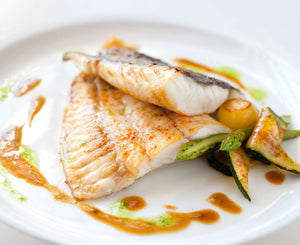
Rich, buttery and silky, with soft white flakes. Close to sablefish in richness and just as forgiving.
Take it out of the vacuum pack, set it on a plate, cover it and leave it in the fridge overnight.
Seal it in a leakproof bag and sink it in cold water, 20 to 30 minutes. Change the water if it warms. Cook it as soon as it is thawed.
Never on the counter. No microwave, no hot water.
200°C/400°F, 10 to 12 min, skin side down.
With a miso or soy glaze, 6 to 8 min.
Medium-high, 4 min skin side, 2 to 3 min flesh side.
Lightly salt fish 10–15 minutes before cooking; leave uncovered in refrigerator and pat dry before searing. Intended to improve seasoning, structure and surface browning.
From Steven Courtney
Mix 1 tablespoon salt into 4 cups cold water; submerge fish for 10–15 minutes, remove and pat dry.
Add lemon zest before cooking for aromatic citrus oils; finish with fresh lemon juice after cooking.
From Steven Courtney
Lightly dust fish with rice flour instead of wheat flour before pan-frying for a delicate, crisp coating.
From Steven Courtney
Add a small knob of butter near the end of pan-searing to enrich the flavour and baste the fish.
From Chef Julian Bond
Worcestershire sauce for savoury depth; pomegranate molasses for tang; miso paste for sweet-salty umami.
From Chef Julian Bond
Chef Julian Bond recommends a very hot pan to sear and caramelize fish, developing a beautifully browned exterior and deeper flavour. Avoid overcrowding: too much fish at once lowers the pan temperature, causing the fish to steam instead of sear. Cook in batches and adjust the heat to the fish and cookware.
Pat fish dry, use controlled heat, cook most of the way on one side and flip once. Avoid excessive handling.
From Chef Vibber
Chef Bond suggests cooking fish over a piece of cooking parchment in a stainless-steel pan to reduce sticking.
Remove delicate fish from heat shortly before it would otherwise be fully cooked, allowing carryover heat to finish it without drying it out.
From Chef Robert Clark
Pangnirtung turbot, also called Greenland halibut, is harvested from nearly a kilometre below the surface and is very high in omega-3s.
No. This is Greenland turbot, also called Greenland halibut, a rich Arctic fish.
Rich and buttery, a lot like sablefish.
Yes. It handles miso, soy and glazes the same way.
. Discount code automatically applied at checkout.
Error