
Thaw
Overnight in the fridge
Take it out of the vacuum pack, set it on a plate, cover it and leave it in the fridge overnight.
Save up to 10% with our standing order program
Your cart is empty
Shop allCart updated ()

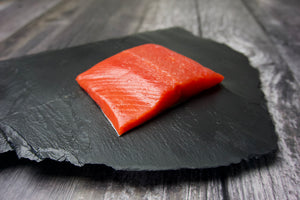
Deep red, firm and full of real salmon flavour. Leaner than farmed salmon, so it rewards a light hand.
Take it out of the vacuum pack, set it on a plate, cover it and leave it in the fridge overnight. A full fillet can take up to 24 hours.
Seal it in a leakproof bag and sink it in cold water, 20 to 30 minutes. Change the water if it warms. Cook it as soon as it is thawed.
Never on the counter. No microwave, no hot water.
Medium-high, 4 to 5 min skin side, 1 to 2 min flesh side.
One-Pot Sticky Citrus Sockeye Salmon →200°C/400°F, 10 to 12 min for a portion, 15 to 18 min for a fillet.
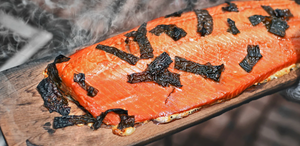
Mustard Crusted Wild Sockeye Salmon with Zucchini Salad →Soaked plank, medium grill, lid down, 12 to 15 min, no flipping.
Cedar Planked Wild Sockeye Salmon with Whiskey Maple Glaze →Oiled fish, medium-high, skin side down 5 min, flip for 1 to 2 min.
Wild Pacific Sockeye Salmon Recipe →Sprinkle salmon with kosher salt; refrigerate 30–60 minutes, then remove excess salt and pat dry before cooking.
From Chef Julian Bond
Pat skin very dry, place skin-side down in a lightly oiled hot pan, and leave undisturbed until crisp (often around 4–5 minutes, depending on thickness). Finish briefly on the other side.
From Chef Julian Bond
Cook salmon approximately 90% of the way skin-side down, then flip briefly for 15–30 seconds to finish.
From Steven Courtney
Preheat the grill to approximately 200°C/400°F and oil the grates. Place salmon skin-side down, then turn once when it releases readily. Cooking time varies with thickness; check the thickest part with a food thermometer rather than relying on fixed minutes. For a conservative consumer-facing target, cook to 63°C/145°F. Avoid serving undercooked salmon to higher-risk individuals.
A cedar plank imparts mild smoke and helps keep salmon off the grates. Original concept paired Gitanyow sockeye with Amy Cho compound butters.
From Chef Robert Clark and Chef Amy Cho
Thaw salmon in refrigerator; season with salt and pepper; pan-sear and serve with vegetables. Customer shared a preparation video and story of convenient weeknight meals.
From customer Michael
Flake chilled, properly stored cooked salmon into freshly cooked rice; season with soy sauce and sesame oil and add green vegetables. Canned salmon or tuna also works.
From Chef Robert Clark
Lightly salt fish 10–15 minutes before cooking; leave uncovered in refrigerator and pat dry before searing. Intended to improve seasoning, structure and surface browning.
From Steven Courtney
Mix 1 tablespoon salt into 4 cups cold water; submerge fish for 10–15 minutes, remove and pat dry.
Add lemon zest before cooking for aromatic citrus oils; finish with fresh lemon juice after cooking.
From Steven Courtney
Lightly dust fish with rice flour instead of wheat flour before pan-frying for a delicate, crisp coating.
From Steven Courtney
Add a small knob of butter near the end of pan-searing to enrich the flavour and baste the fish.
From Chef Julian Bond
Worcestershire sauce for savoury depth; pomegranate molasses for tang; miso paste for sweet-salty umami.
From Chef Julian Bond
Chef Julian Bond recommends a very hot pan to sear and caramelize fish, developing a beautifully browned exterior and deeper flavour. Avoid overcrowding: too much fish at once lowers the pan temperature, causing the fish to steam instead of sear. Cook in batches and adjust the heat to the fish and cookware.
Pat fish dry, use controlled heat, cook most of the way on one side and flip once. Avoid excessive handling.
From Chef Vibber
Chef Bond suggests cooking fish over a piece of cooking parchment in a stainless-steel pan to reduce sticking.
Remove delicate fish from heat shortly before it would otherwise be fully cooked, allowing carryover heat to finish it without drying it out.
From Chef Robert Clark
Sockeye salmon spend up to three years in the ocean, building the rich colour and flavour they are known for.
It's the natural colour from what sockeye eat in the ocean. Nothing is added.
It was cooked too long. Sockeye is leaner than farmed salmon, so take it off a moment early and let it rest. It finishes on its own.
Crisped in a pan, yes. Roasted, it slides off easily once the fish is done.
. Discount code automatically applied at checkout.
Error


